Kobie Baus Kobie Baus

Start. Somewhere.

The trick is beginning, even if the end is not yet in view.

I write this in the midst of yet another pinball-style website curating session. One could argue that I am finding any way to procrastinate other work that I need to do, but the way my mind works, this is arguably more important.

You see, like so many people out there, I have trouble with initiative. Don’t get me wrong, I can bounce between things all day long, but I have trouble initiating the right tasks. It’s not that I don’t care, and it’s not that I want to avoid doing work, it’s simply that my mind travels divergently, meaning I think in many directions at once. As I type this, my mind is preparing me for the next hour: I have to eat, meet my friend for a workout, wrap up scheduling for my upcoming doctor’s visits, pay rent, utilities, and health insurance, and while this all pours through my head, I’m somehow thinking about the story I have been writing.

It can be outright exhausting. However, through treatment and accurate intervention, I have learned how to leverage the overclocked nature of my brain’s functioning. With a task list as full as mine currently is, I have no choice but to convert my perceived disadvantages to neutral, and if I’m diligent, I can create advantages.

This is the case for most of us. Our wiring isn’t built for this.

This modern life… what a curse it has brought upon us. We can argue back and forth about the conveniences we have access to, but they come at such significant costs to our well-being. That sense of pervading overwhelm that many people feel on a daily basis is simple demand overload. We have far too much on our plates, and the margins between our efforts and the available results are growing increasingly less efficient. We have never been in a time where we can “do more” and actually end up with less in the end.

I will never offer advice the way the mainstream self-help industry does, pretending that everything is normal and that our anxiety, depression, and burnout are just the result of “not trying hard enough”. It’s convenient, and a thought-terminating cliche. We all deserve better. That being said, we are operating within this system, so we must do what we can to gain every advantage possible.

One such strategy is the one I used to write this article. Even though I had demands coming up that would stop me from being able to complete this article in one session, I worked past that initial impulse to just leave it for another session, and I pushed myself to write a few paragraphs.

(I stopped halfway into the last paragraph, went and got prepared for my workout, took care of the dog, all of the things I would need to do before I left the house, and then jumped back on to write this before I head out. I will have to complete the rest of this when I return).

To put it simply, I just got started. I didn’t have to finish it all at once.

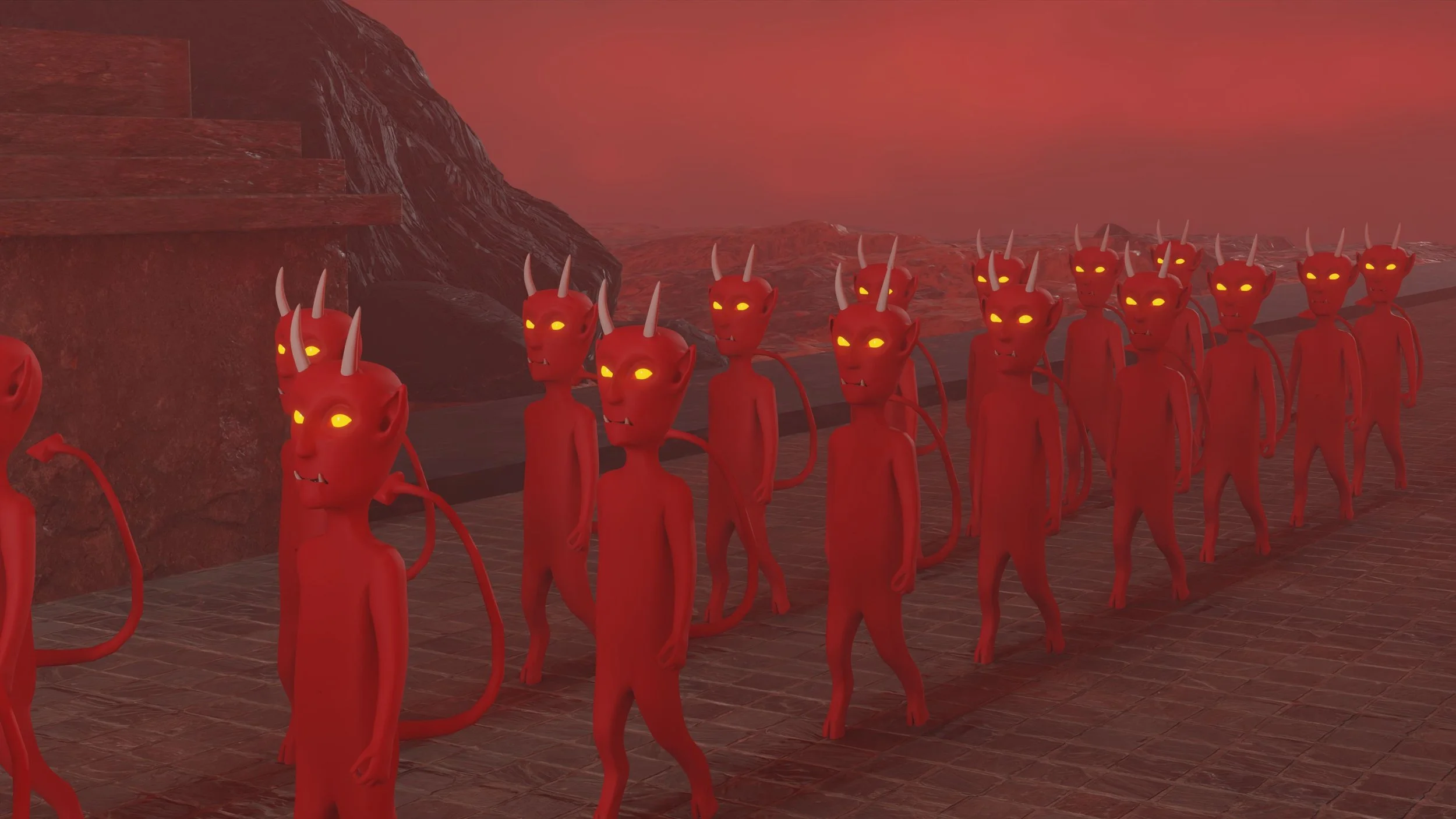
A depiction of the average to-do list.

To illustrate my point, I began this paragraph almost 22 hours later, the next day. I thought about the article repeatedly throughout the evening yesterday, and when I got back onto my computer today for a deep work session, here it was, waiting for me, in a fairly advanced state of completion.

This is the point where social media trends would dictate I make the whole thing about some pseudo-scientific concept, but I’m a rebel, so I will just mention one and move on. Have you ever noticed your thoughts becoming repetitive when there’s something on your plate that needs to be resolved? The Zeigarnik Effect is the tendency for our brains to remember and give priority to tasks or scenarios that are incomplete. We tend to remember things better before they are finalized. Evolutionarily (as I view all aspects of human functioning), this makes sense, as the cost of forgetting where we fired an arrow into thick brush might mean the difference between dinner and another day of hunger. This same effect can be used to our advantage in the modern world, (though it can also be a recipe for overwhelm if not managed properly).

I like to approach things from the middle ground. In my case, my mind already deals with a thousand things at once, so I tend to hesitate when opening up another loop, even if it would ultimately lead to a more productive outcome. However, when I do, I am rewarded when I eventually circle back and find a partially completed task waiting for me.

It’s precisely that Lao Tzu quote, which has been quoted ten billion times:

“A journey of a thousand miles begins with a single step.”

Yeah, yeah, we get it, ancient wisdom and all that jazz. But there’s a reason that these messages are as prolific and long-lasting as they are. They speak profoundly to our shared human experience. Everyone has things to do, journeys to complete, and nothing can be done without that first initial push. Without going too many directions with this article, I will just say that “gamifying” tasks (or visualizing them as quests to be completed/levels to win) can make a lot of the bureaucratic drudgery more enjoyable. For example, my search for medical treatment was absolutely chaotic at first for my executive functioning, chasing down four different specialists, sending referrals, and catching the calls as they came through days later, but I turned each one in my mind into a piece of the greater climb to the top of a mountain (improved health), with every completed appointment as a new basecamp on the approach to the summit.

If you deal with neurodivergence like I do, and your mind can travel in many directions, just go ahead and add another path, especially if it’s one like this, where the end result bears with it the satisfaction of creativity. Take the first step, even if it’s a tiny one, then when the demands of life pull you elsewhere, tend to those other paths, and leave it for another time. The coolest part is that once you start to blaze a trail, you leave an indentation in the underbrush where you first stepped, and when you return to it, you can decide either to keep going, or to start a fresh path if your trajectory was flawed.

Sure, you have enough on your plate. So what’s the harm in one more side dish?

Read More